
Diagnostics
At the Dry Eyes Clinic, we use a combination of diagnostic methods.
TBUT Measurement
Tear break-up time (TBUT) is how long it takes for the tears to evaporate on your eye. Usually the oil component of the tear film stops them evaporating too fast and a normal TBUT is at least 10 seconds. A low TBUT is an indicator of meibomian gland dysfunction as it shows that there is insufficient oil, or the oil is of poor quality and not preventing rapid evaporation.
Meibography
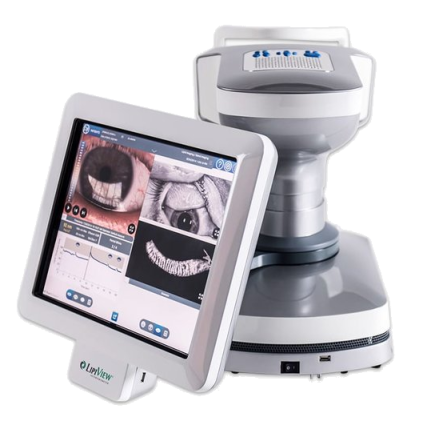
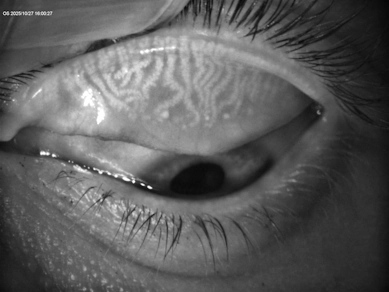
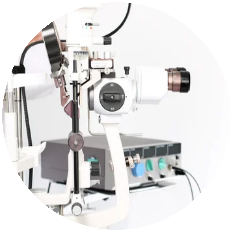
A special camera is used to take photographs of the meibomian (oil-producing) glands in your eyelids. This allows the clinician to see if glands have become damaged or lost as a result of long-standing meibomian gland dysfunction.
Images of the glands show any blockages and/or gland atrophy/dropout. This helps the specialist identify whether glands need clearing and determine the severity of your disease.
Symptom levels can sometimes be relatively low and tear break-up time almost normal even in patients with advanced meibomian gland dysfunction. Meibography is, therefore, an important component of the assessment.
Schirmer’s Testing
Schirmer’s testing is undertaken when we suspect that your dry eye is due to an aqueous layer deficiency.
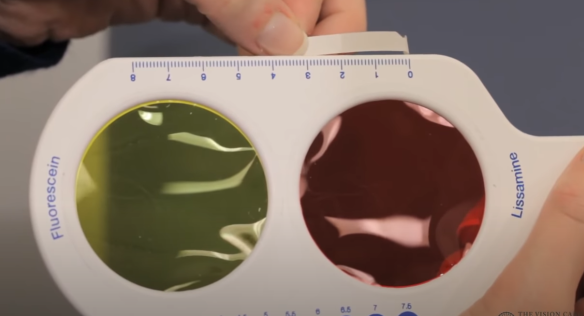
Special filter paper strips are placed under your lower eyelids and you are asked to keep your eyes closed. After five minutes, the strips are removed and the degree of moisture in them is measured. Normal levels are anything over 15mm. Anything less than 10mm indicates reduced tear production. Less than 5mm is associated with severe dry eyes related to tear deficiency.
Symptom History
An important component of dry eye diagnosis is taking a full symptom history. Symptom patterns can help identify the underlying cause.
Examination
Examination will pick up the presence of underlying conditions such as rosacea, or the presence of a demodex mite infestation, which might need different or additional treatment.
Blood Testing
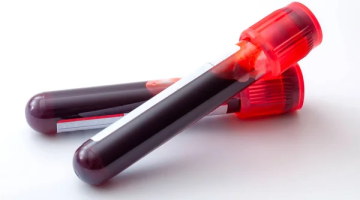
Depending on the results of a Schirmer’s test, blood testing may also be used to confirm or exclude Sjogren’s disease.
Further Investigations
If symptoms cannot be explained, our consultant ophthalmologist can offer further testing and imaging to determine other possible causes of your symptoms.
Our Treatments


Take The Free 3 Minute Online Quiz To Discover Whether You Have Dry Eyes
6TH JULY – WE ARE HAVING SOME CONNECTIVITY ISSUES AFFECTING INTERNET AND TELEPHONE. WE ARE WORKING HARD TO GET THEM RESOLVED AS SOON AS POSSIBLE.