Dry Eye or Allergic Eye Disease
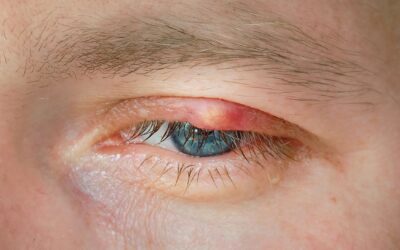
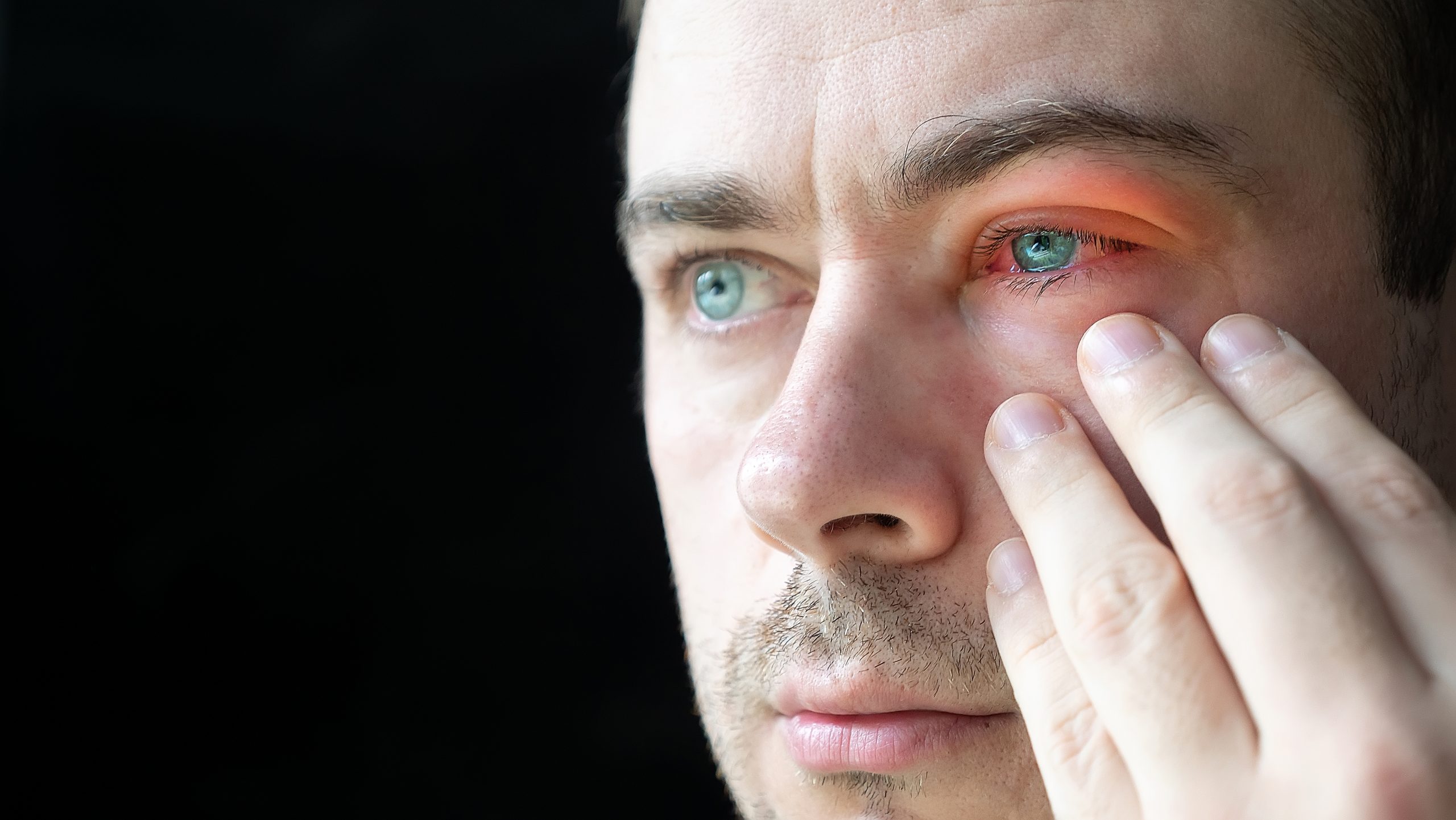
Dry eye and allergic eye disease are easy to confuse because they have similar symptoms. Both can cause redness, irritation and a gritty or foreign body sensation.
However, there are some important differences.
Typical dry eye symptoms include dryness, burning and a gritty feeling in the eye. Although itching is sometimes present, it’s not usually the main symptom. In allergic eye disease, the main symptom is usually itching to the extent that patients feel they need to rub their eyes.
A watery or mucous discharge is often present in allergic eye disease, especially when around the allergen. There is much less discharge, if any, in dry eye, and it is usually thicker and sticky – typically described as ‘gunk’.
Symptoms of allergic eye disease, especially itching, are usually more intense and are frequently triggered by specific allergens such as pollen. They tend to fluctuate, with seasonal allergies worse during specific times of year.
Diagnosis
A physical examination usually tells the clinician whether the problem is dry eye or allergic eye disease.
Dry eyes may have damage to the cornea, visible with a magnifying slit lamp. Signs of inflammatory changes on the eyelid margins and evidence of meibomian gland dysfunction may be present.
Further tests that can be useful are measuring tear break-up time – to identify whether meibomian gland dysfunction is present and fluorescein staining of the ocular surface to look for damage.
In allergic eye disease, the conjunctiva may be swollen, the eyes may be red and there are usually papillae (little bumps that form as a result of chronic irritation) visible on the inside of eyelid.
Treatment
Dry eye disease is managed with lubricating drops and underlying meibomian gland dysfunction can be treated with meibomian gland probing, intense pulsed light therapy, low-level light therapy and/or prescription anti-inflammatory drops.
Allergic eye disease is usually treated with antihistamine eye drops and avoiding any known triggers.
Some people have coexisting dry eye disease and allergic eye disease and it is important that both are treated as one can exacerbate the other.